
Why the Samsung Galaxy S27 Ultra Camera Changes Could Hurt Its Flagship Status
Overview of the expected camera shift
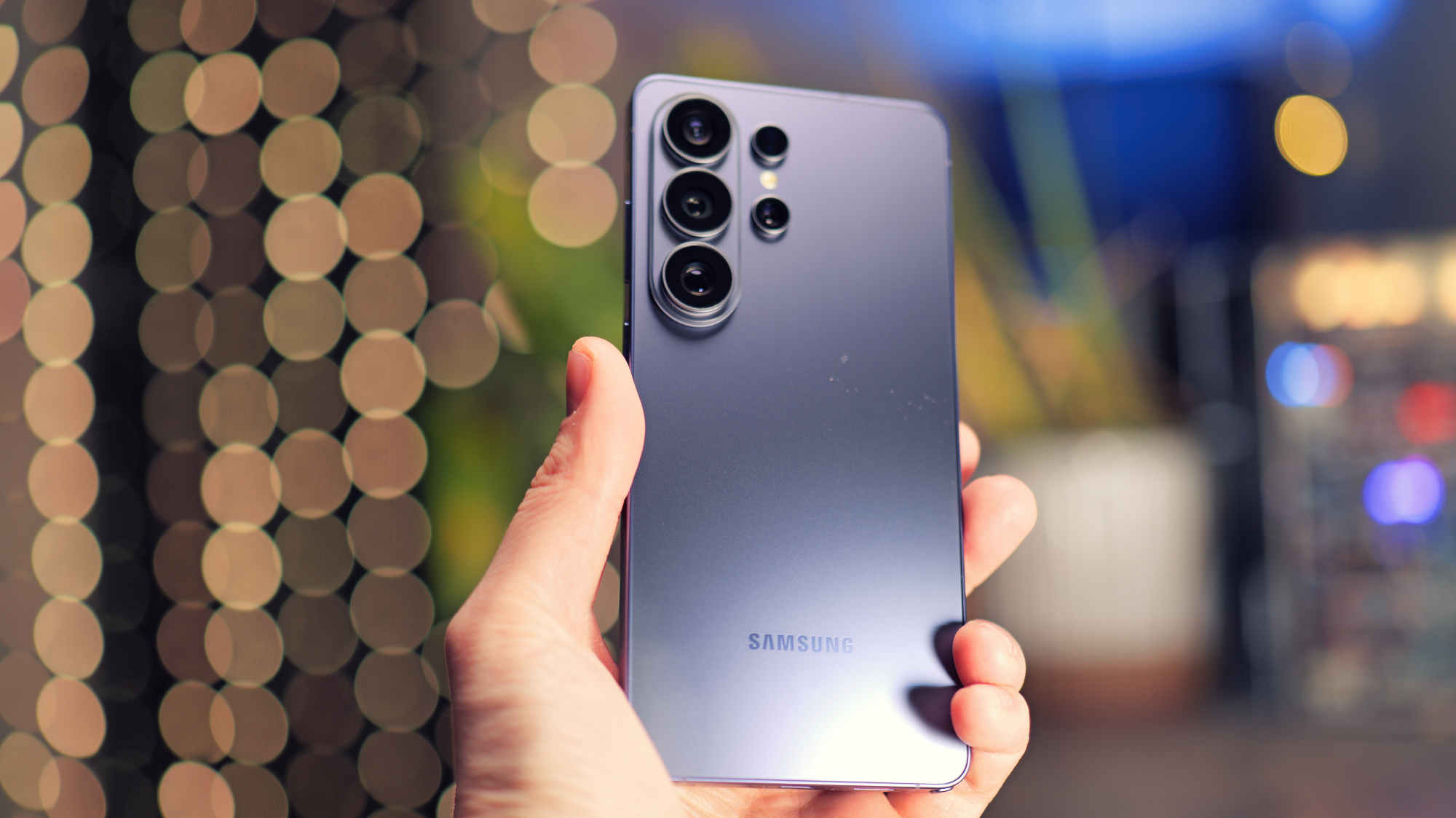
For several years Samsung has delivered incremental upgrades to the camera systems on its flagship Galaxy Ultra line. The Samsung Galaxy S26 Ultra arrived with a 200Mp main sensor, a 3x telephoto lens and a 10x periscope, but many reviewers felt the changes were modest rather than revolutionary.
Leaks attributed to Ice Universe now suggest the upcoming Samsung Galaxy S27 Ultra will drop the 3x telephoto entirely. According to the rumor, the phone will rely on the 200Mp primary sensor for 1x shooting and a dedicated 10x periscope for longer reach, leaving a gap between 1.1x and 4.9x where no dedicated optics exist.
What the missing telephoto means for everyday users
Most casual photographers use the mid‑range zoom range for portraits, group shots and travel snaps. Without a 3x lens the Samsung Galaxy S27 Ultra would have to rely on digital cropping in that zone, producing noticeably softer results compared with the crisp output of a true optical lens.
This creates an uneven zoom experience: a sharp image at 1x, a blurry crop from roughly 1.1x to 4.9x, then a clean 10x periscope shot. For a premium device that aims to compete with the iPhone 18 Pro and the Google Pixel 11 Pro, such a gap could be a serious disadvantage.
How rivals are advancing their optics
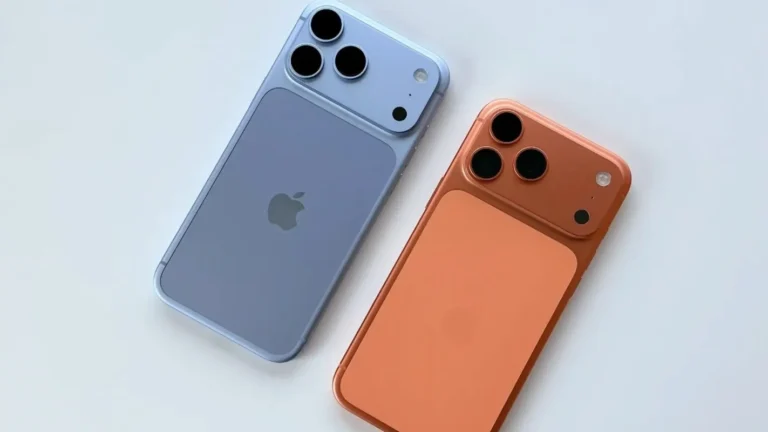
Apple’s iPhone 18 Pro and iPhone 18 Pro Max now feature a variable‑aperture main lens that switches between f/1.48 and f/4.0, delivering better low‑light performance and more control over depth of field. While Samsung has led the foldable market, it has not yet introduced a comparable variable aperture on its flagship phones.
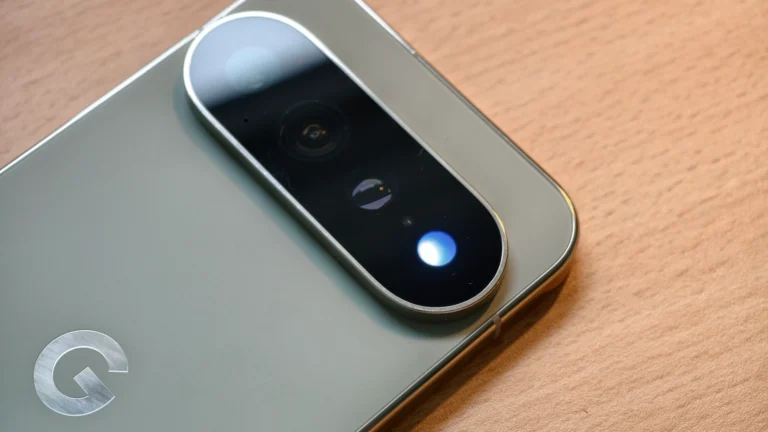
The Google Pixel 11 Pro and Pixel 11 Pro XL continue to dominate point‑and‑shoot tests thanks to their computational photography pipeline and a colour profile that favours warm, vibrant tones. Samsung has traditionally used a more neutral rendering, but the latest leaks hint at a shift toward a warmer palette with increased saturation and deeper blacks.
Will software tweaks compensate for hardware loss?
Samsung’s software team could try to mask the missing 3x lens by boosting colour accuracy, improving shadow detail and offering aggressive HDR processing. While these changes might make images look more Instagram‑ready straight out of the camera, they do not replace the optical clarity that a true telephoto lens provides.
Moreover, moving the colour science closer to the Pixel’s style could erode Samsung’s distinctive visual identity. Users who appreciate the brand’s signature true‑to‑life rendering may find the new warmer tones less appealing.
Comparing the Samsung Galaxy S27 Ultra to its competition
If the Samsung Galaxy S27 Ultra retains the same 200Mp sensor without a variable aperture, it risks falling behind the iPhone 18 Pro’s low‑light gains and the Pixel 11 Pro’s effortless point‑and‑shoot performance. The lack of a mid‑range telephoto also means the phone will struggle to match the seamless zoom experience offered by the iPhone 18 Pro Max’s variable focal lengths.
In a market where flagship cameras are a key differentiator, Samsung may need more than software tweaks to stay ahead. A genuine hardware upgrade—such as a new periscope design, a variable‑aperture main lens, or at least a replacement for the 3x telephoto—would provide a clearer path to reclaiming the top spot.
Conclusion: a risky gamble for Samsung
The Samsung Galaxy S27 Ultra appears poised to make a bold visual shift while sacrificing a useful piece of hardware. Without a 3x telephoto lens and without a variable‑aperture main sensor, the phone could end up delivering uneven zoom performance and a colour style that mimics rivals rather than defining its own.
For consumers who value consistent optical quality across the entire zoom range, the upcoming device may feel like a step backward. Samsung’s decision to prioritise aesthetic tweaks over substantive hardware improvements could make the Galaxy S27 Ultra a tougher sell in a competitive flagship landscape.


One Comment