Google Pixel Users Face New Glitches After Android 17 QPR1 Update
What is Android 17 QPR1?
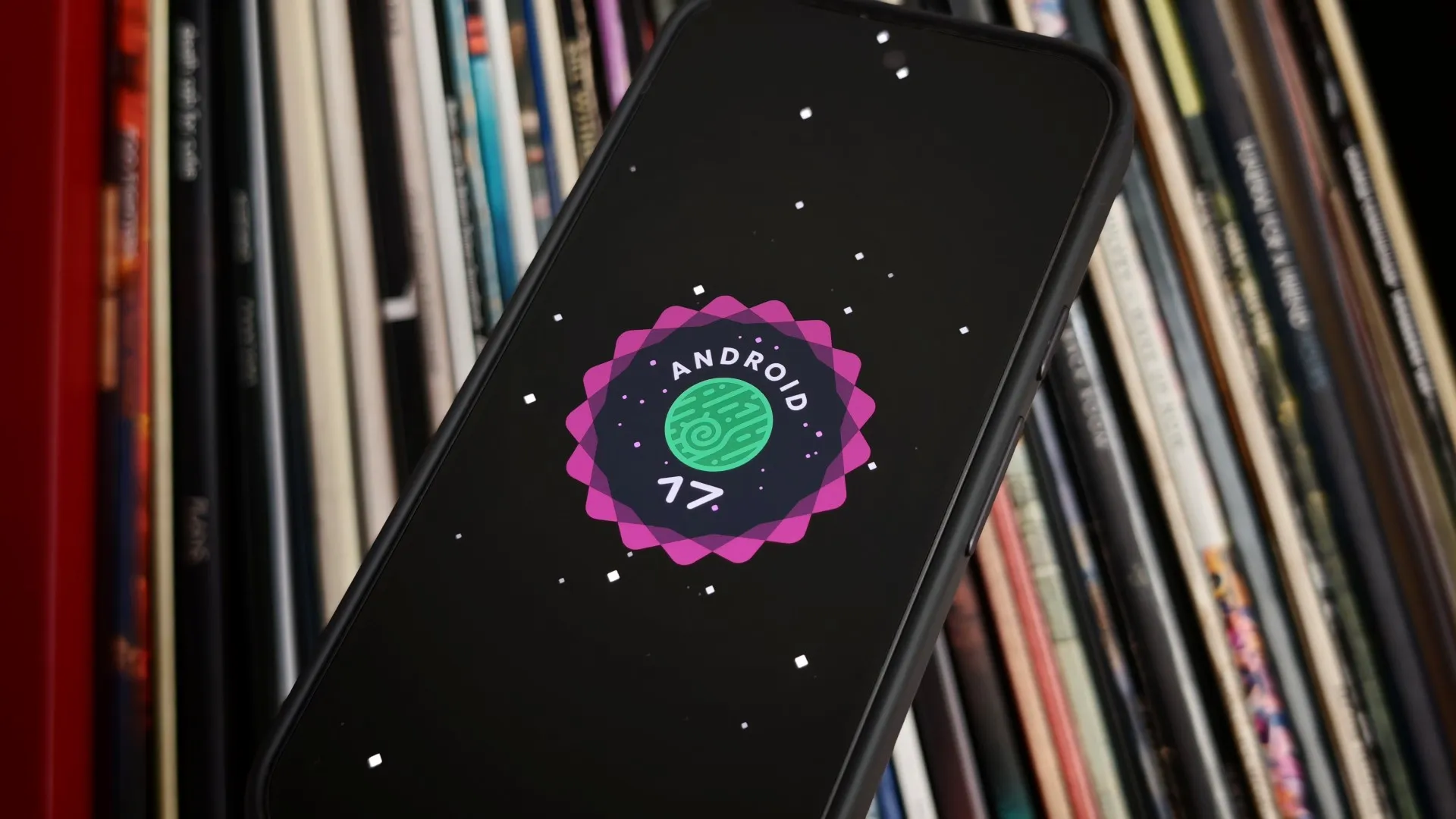
Google released the first Quarterly Platform Release of Android 17, called QPR1, on 15 September. The update was pushed to devices from the flagship Google Pixel 8 Pro and Pixel 8 down to the Pixel 7 Pro, Pixel 7 and older Pixel 6. QPR1 aims to fix the many bugs that plagued the initial Android 17 launch and to improve overall performance before the next major version.
Rollout timeline for Pixel devices
The rollout started with the newest models – the Pixel 8 Pro received the update first, followed by the Pixel 8, Pixel 7 Pro, Pixel 7 and finally the Pixel 6. Early adopters were encouraged to install because the base Android 17 release had been criticised for battery drain, app crashes and camera inconsistencies.
Community poll reveals mixed reactions
Android Authority ran a poll to gauge sentiment after installing QPR1. More than two thirds of respondents reported new problems, while roughly thirty two percent said their devices ran without fresh issues. Poll participants tend to be those experiencing trouble, so the percentages do not represent every Pixel owner.
Performance slowdowns dominate complaints
The most common issue is overall performance. Users of the Pixel 7 Pro and Pixel 6 describe lag when opening apps, stuttering during gaming and slower response times compared with the pre‑update experience. Benchmarks posted on forums show a modest drop in Geekbench scores, suggesting the optimisation patches may have introduced unintended overhead.
Unexpected UI behaviour and display glitches
Several respondents mention odd UI quirks such as misplaced notification icons, flickering navigation bars and occasional black screens on the Pixel 8. The lock screen sometimes fails to display the time correctly, and the always‑on display can freeze. These visual anomalies echo problems that were present in the original Android 17 launch.
Connectivity hiccups and Wi‑Fi drops
Connectivity problems also feature prominently. Users report intermittent Wi‑Fi disconnections, Bluetooth pairing failures with devices like the Samsung Galaxy Watch 6, and occasional loss of cellular data on the Pixel 7. In some cases the device reverts to 2G networks, causing a noticeable slowdown in browsing.
How other flagship phones compare
When compared with other recent flagships, the situation looks less severe. The Samsung Galaxy S24 and the Apple iPhone 15 Pro have received their own incremental updates this year, but early feedback shows fewer performance regressions. Even the iPad Air M2, running iPadOS 18, has not reported widespread UI glitches after its latest patch. This contrast highlights the particular challenges Google faces in stabilising Android 17 across a diverse hardware lineup.
What to expect from Android 17 QPR2
Google promises a second Quarterly Platform Release, QPR2, slated for December. The upcoming patch is expected to focus on stabilising Wi‑Fi and Bluetooth stacks, fixing the lock‑screen display bug and restoring the performance baseline on older Pixel models. Developers have already submitted bug reports, and the Android Open Source Project repository shows a surge in commits targeting the reported issues.
Should you update now?
If your Pixel is still on the original Android 17 and you have not installed QPR1, weigh the risks. Users satisfied with current performance may prefer to wait for QPR2, especially if they rely on stable Wi‑Fi for work or gaming. However, if you are experiencing earlier bugs such as battery drain or camera lag, installing QPR1 could still provide some relief, provided you back up your data first.
Final thoughts
The first major Android 17 update has delivered a mixed bag of fixes and fresh issues. While a sizable minority of Pixel owners report smooth operation, the majority are still grappling with performance drops, UI oddities and connectivity woes. The upcoming QPR2 will be crucial in restoring confidence in Google’s flagship smartphones and proving that the Quarterly Platform Release model can keep pace with the rapid evolution of Android.